North Macedonia has just rewritten the rules of its gambling industry from the ground up, scrapping the private-sector model that shaped online betting for over a decade in favor of a full state monopoly — a move that leaves the country’s entire regulated online gambling market in the hands of a single government-owned company.
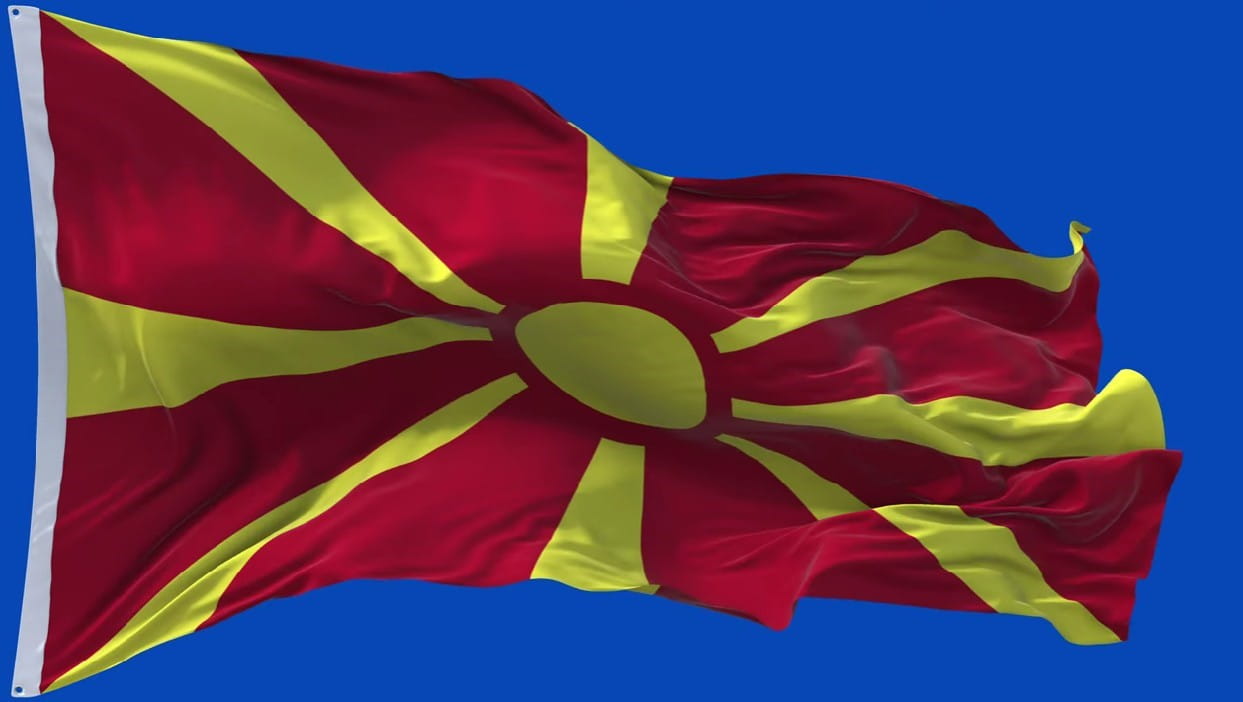
The new Law on Games of Chance and Entertainment Games took effect mid-July, replacing a regulatory framework that had been in place since 2011, following adoption by the Assembly of the Republic of North Macedonia on June 29, 2026. Under the old system, private companies could only operate online gambling platforms through partnerships in which the state held at least a 51% ownership stake and final decision-making power — an arrangement that had drawn foreign investors into joint ventures with the state lottery.
That era is now over. The right to operate online gambling products belongs exclusively to the Republic of North Macedonia, exercised through a state-owned joint-stock company in which the state is the sole shareholder. Private firms haven’t been shut out entirely, but their role has shrunk to that of B2B suppliers, competing for contracts through public tenders rather than holding gambling licenses of their own.
In practice, the transition was well underway before lawmakers made it official.
Following the May 2024 parliamentary election, the new government made online gambling reform a political priority, and by September of that year, authorities had ordered the termination of licenses held by several private operators, including NOVO VLT, Mozzart, 77 BITS, Vezuv and 2Win.mk. By the end of 2024, MegaWin was effectively the only licensed online gambling platform still active, meaning parliament was largely formalizing a market that had already been cleared of competitors.
The law’s reach extends well beyond online betting. Casinos and slot clubs will eventually need to stand at least 500 meters from schools, and operators must prove technical compliance, including GPS integration, before slot machines enter service. Advertising has also been squeezed hard: outdoor signage is capped at small displays, flashing signs are banned, and ads suggesting gambling leads to financial success or solves personal problems are prohibited.
Perhaps most unusual, social-media promotions asking users to like, tag, or share a post for a chance to win a prize are now treated as gambling, requiring organizers to obtain a license and pay a fee equal to 18% of the prize fund before launching the giveaway.
The biggest open question is whether North Macedonia’s new state-run platform can hold its own against the offshore competition. Analysts following the legislation note that offshore gambling sites often compete through broader game selections, more attractive promotions, and more advanced digital platforms — meaning that if the licensed domestic option feels less competitive, players could drift toward unlicensed operators, cutting into both tax revenue and consumer protections.
For players elsewhere weighing regulated alternatives, browsing best mobile online casinos is a solid way to compare licensed platforms before signing up.