The Balkan gaming industry has taken a major step toward unity, as seven countries from the region come together to form the first-ever Balkan Gaming Federation (BGF). The initiative, launched in Belgrade, signals a growing ambition across Southeast Europe to coordinate efforts, strengthen regulation, and position the Balkans as a serious force in the global gaming market. At a time when the region is facing similar challenges — from rising illegal gambling to shifting regulations — this move reflects a broader push to act collectively rather than individually.
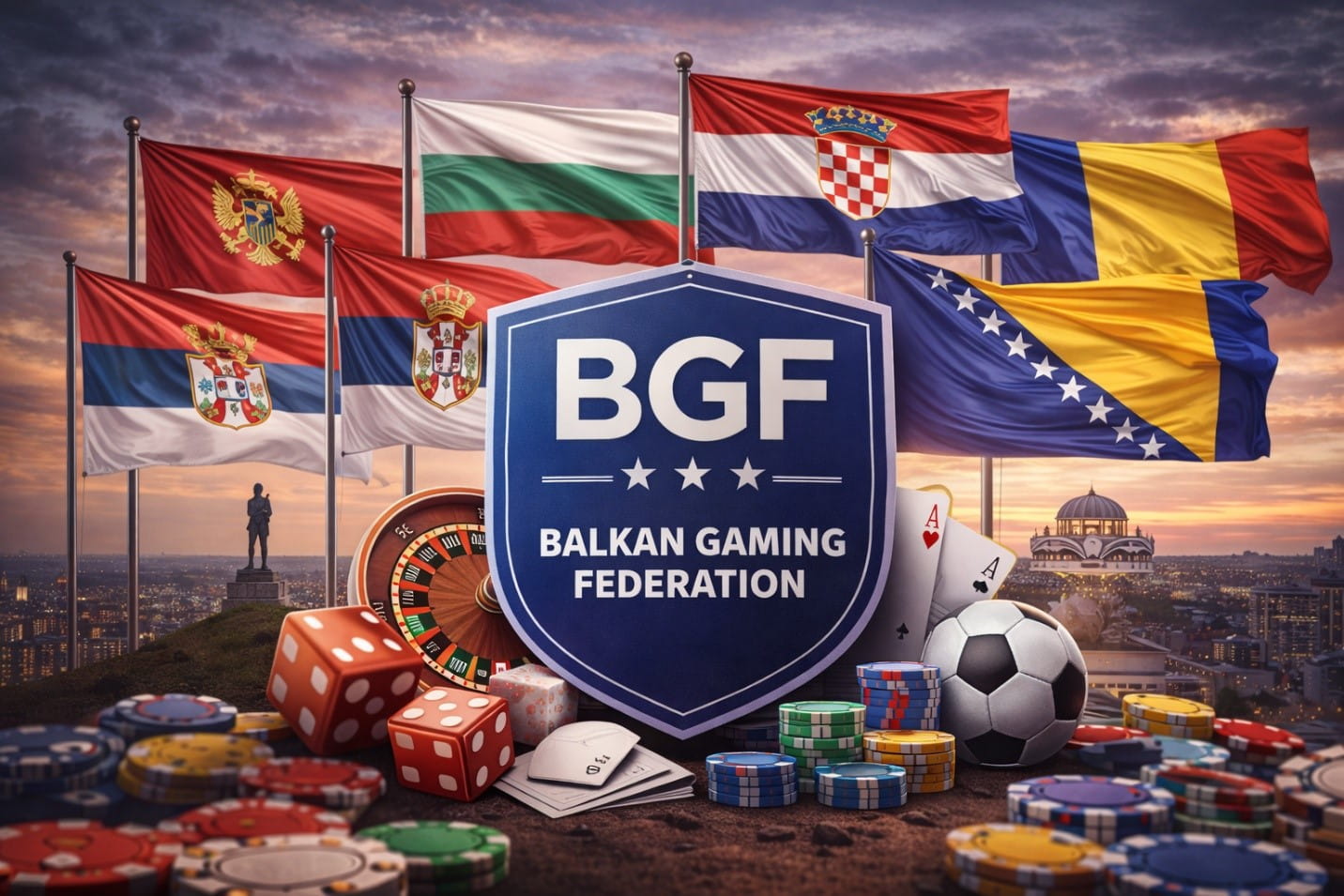
The newly formed federation brings together industry associations from Montenegro, Serbia, Bulgaria, Croatia, Romania, Bosnia and Herzegovina, and North Macedonia.
Montenegro’s role is particularly notable, with its national group of gaming operators — under the Chamber of Commerce — joining as a founding member. The agreement was formalized through a Memorandum of Cooperation signed in Belgrade, Serbia, marking the official start of the federation’s formation process.
This is the first coordinated platform of its kind in the Balkans, designed to unite stakeholders across online and land-based gaming, including operators, suppliers, and technology providers.
Despite differences in national regulations, the region shares many of the same pressures. Across the Balkans, the gaming sector is dealing with:
By forming a regional body, industry leaders aim to address these challenges more effectively through collaboration rather than fragmented approaches.
One of the key goals is to create a stronger, unified voice — both within Europe and on the global stage.
The Balkan Gaming Federation is expected to work across several strategic areas. These include:
The broader vision goes beyond regulation. The federation also aims to improve the region’s international visibility and attract more business opportunities by presenting the Balkans as a unified industry zone.
The timing of this move is no coincidence.
The Balkan gaming market has been expanding rapidly in recent years, driven by strong technical talent, rising international investment, and an increasing number of companies operating across multiple countries.
Some markets, like Serbia and Romania, have already seen significant growth in online gaming, while others are undergoing regulatory reforms that could further reshape the landscape.
By working together, the region hopes to turn this momentum into long-term stability and global relevance.
The federation is still in its early stages, but plans are already in place.
A follow-up meeting is scheduled for May in Belgrade during the Belgrade Future Gaming event, where members are expected to continue developing the federation’s structure, strategy, and governance model.
If successful, the Balkan Gaming Federation could become a key platform for shaping the industry’s future across Southeast Europe.